
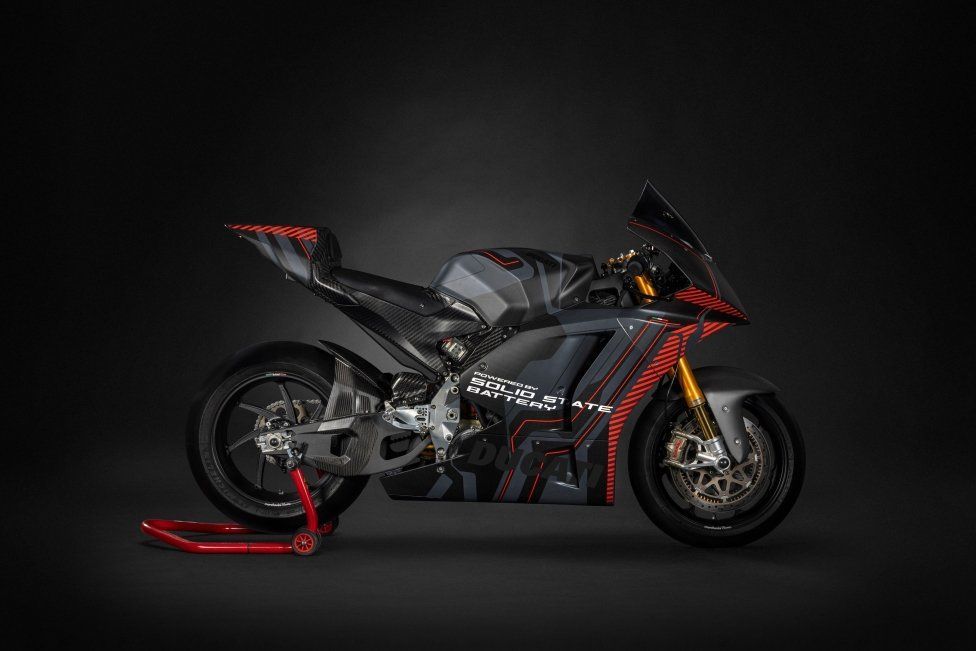
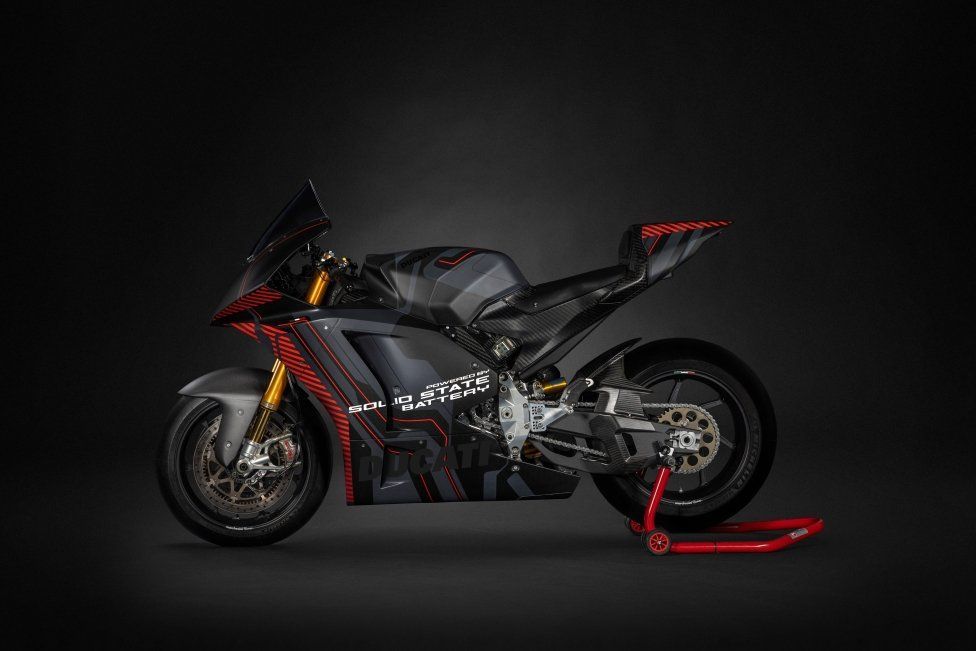
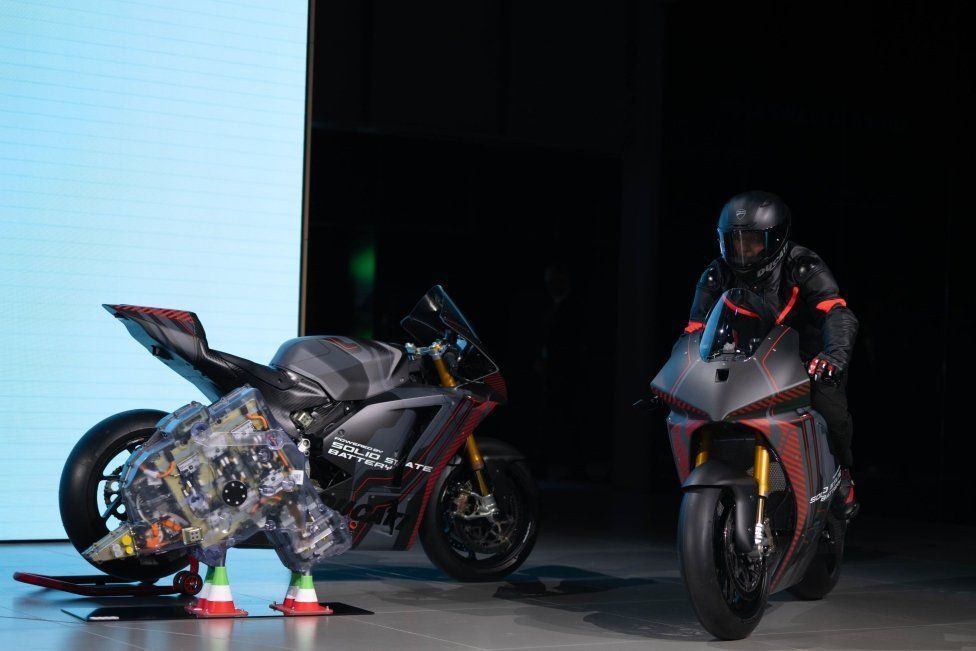
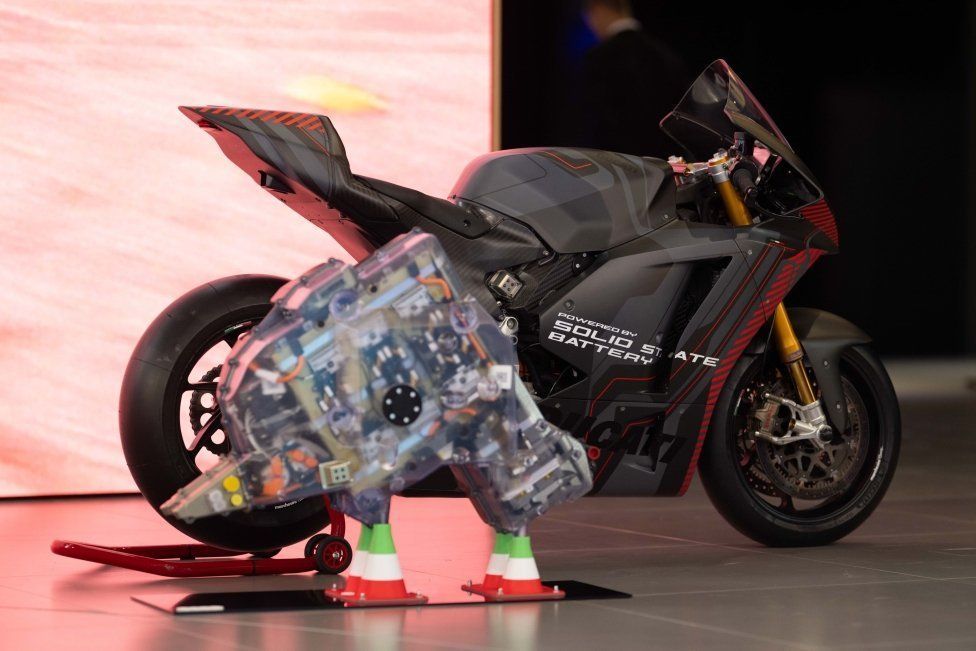
With the FIM MotoE World Championship set to pause at the end of the 2025 season, the study to develop Ducati 's expertise on alternative technologies to internal combustion does not stop. Ducati's MotoE project was born with the goal of building the company's internal know-how in order to be ready if and when battery technology should allow the creation of an electric road bike in line with the values of the Borgo Panigale-based company.

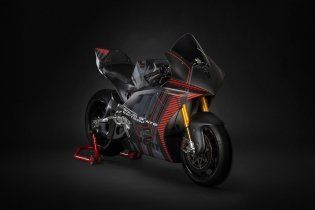
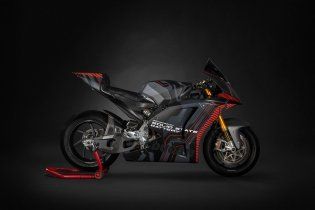
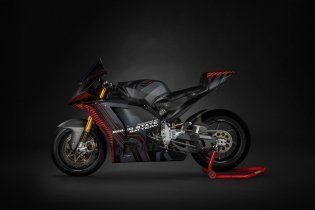
In these years of the MotoE world championship, Ducati has collected a high amount of data thanks to the 18 riders on the grid who have battled each race. In three years of development, the evolution of the cells has allowed a weight saving of the V21L prototype's battery pack of 8.2 kilograms, a high value in absolute terms, but still insufficient to make the "Borgo Panigale electric MotoGP" as light as an internal combustion racing bike and with an adequate range.
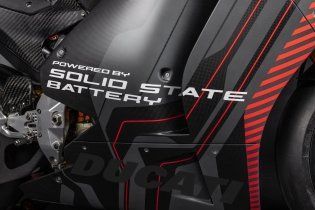
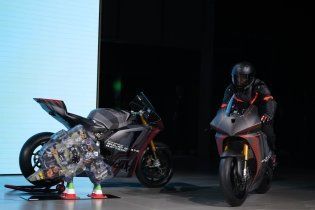
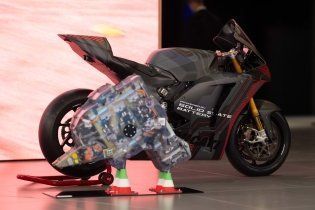
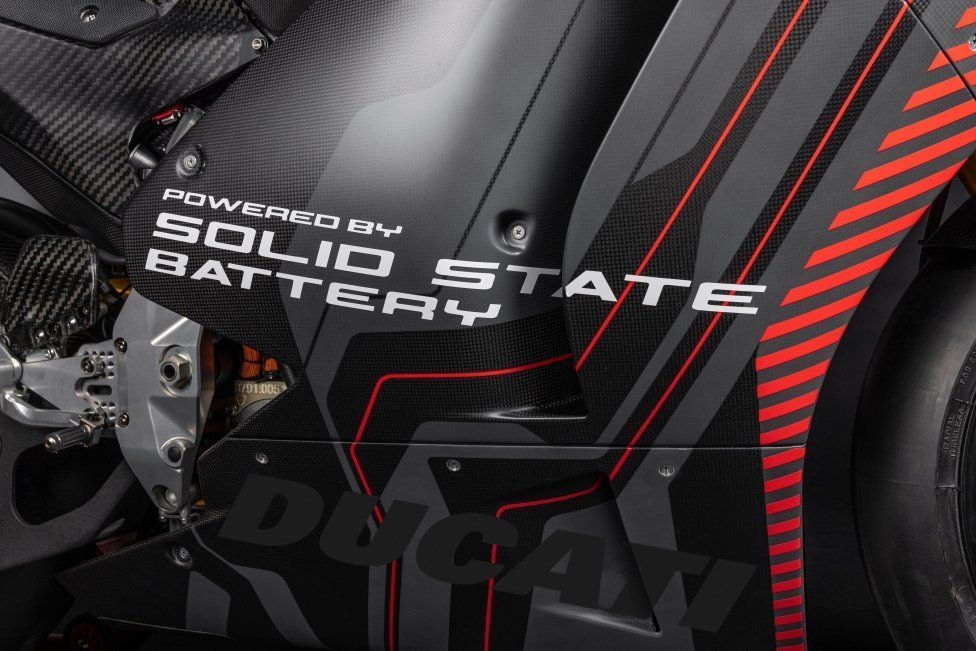
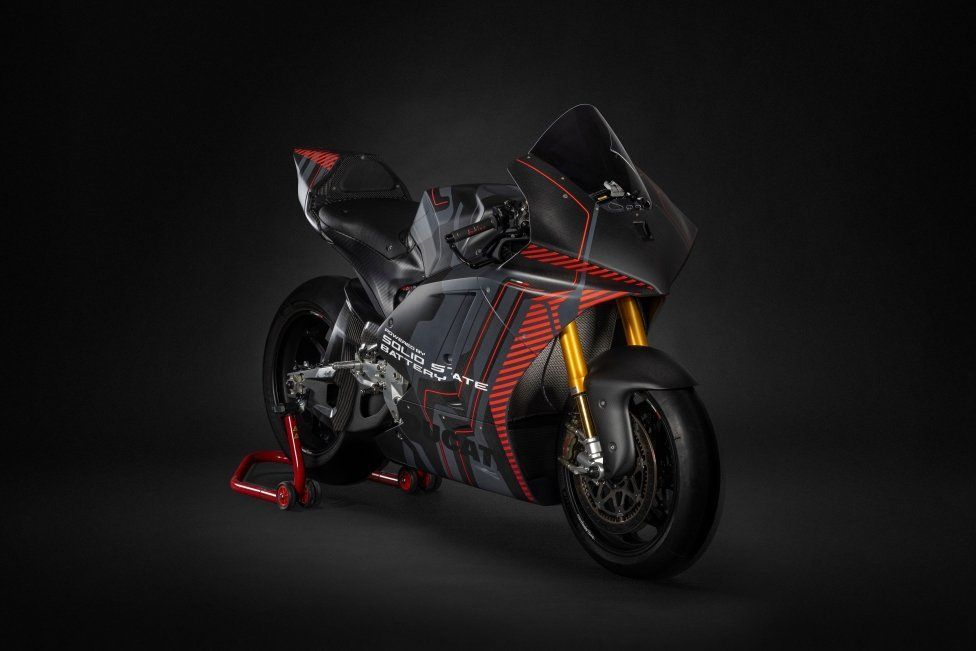
This is why Ducati, among other research and development activities, is working together with Volkswagen Group companies to continue to study and test new technologies to make battery packs that perform better in terms of energy density. In fact, last Sept. 8 at the IAA Mobility in Munich, the first prototype of the V21L, equipped with solid-state batteries from QuantumScape and built in collaboration with Audi and PowerCo, was unveiled. A motorcycle that represents a first step in development and confirms the continuity of Ducati's research into alternative technologies to internal combustion.